

Key Takeaways
Pallet racks undergo wear and tear as time goes by, leading to concerns like bent beams, rust, and damaged upright frames-all of which can jeopardize safety. Regular inspections are vital to identify these problems before they escalate into costly repairs or accidents.
If businesses neglect pallet rack maintenance, they could face increased liability costs, disrupted operations, and soaring repair bills. Viewing repairs as an investment instead of a mere expense can help sidestep more significant issues in the future.
Immediate signs indicating that pallet racks require attention include noticeable structural distortions, loose bolts, and considerable rust on joints. Quick intervention is crucial, especially when loading columns exhibit crumpling or denting.
Overloading racks represents a serious safety risk; bending signs should be monitored, along with adherence to labeled weight capacities. It’s essential to train employees on proper loading techniques to enhance safety.
Timely repairs and diligent inspection are key for pallet rack maintenance. Professionals often recommend utilizing high-quality, certified materials to ensure that repairs are both durable and safe.
To maintain ongoing safety compliance, establishing a regular inspection protocol is critical. Quarterly inspections are suggested, and keeping a record of these checks promotes a culture of safety among staff.
Training for employees must include continuous safety education, covering the proper handling of racks, alongside regular updates reflecting the latest safety standards. Employee feedback can offer valuable insights for refining training programs.
The Hidden Costs of Ignoring Pallet Rack Maintenance
Understanding Common Wear and Tear Issues
Pallet racks support inventory day after day. They’re heavily used, and like any equipment, they suffer from wear and tear. This deterioration can present itself in a variety of forms. Bending beams, often caused by overloading or improperly placed goods, can be a ticking time bomb for warehouse safety. Rust is another major issue, which may compromise structural integrity. Experts frequently deal with damaged upright frames resulting from forklift collisions-damage that can lead to disasters if not promptly addressed.
Common wear signs might appear subtle at first. A slight bend, surface rust, or minor dents can seem harmless. However, each of these has the potential to undermine the entire rack system over time. Regular inspections are necessary. They facilitate the identification of issues before they spiral into serious repairs or accidents.
Financial Risks of Neglecting Repairs
Neglecting necessary pallet rack maintenance resembles financial roulette. The consequences can be severe. A single damaged rack can trigger increased liability costs and potentially shut down warehouse operations. When damage goes unnoticed, repair costs often escalate uncontrollably. Replacement expenses can quickly accumulate, leading to the need for complete system replacements rather than just fixing damaged parts.
Many businesses underestimate the financial repercussions of postponing these repairs. They may perceive maintenance costs as a burden instead of viewing them as an investment. Yet the reality is this: neglect can give rise to larger problems later, which could far exceed any initial savings. Thus, regular maintenance is essential for maintaining a viable logistics operation.
“An investment in regular inspections can save fivefold compared to the costs of emergency repairs.”
Top Signs Your Pallet Racks Need Immediate Attention
Identifying Structural Damage Early
When it comes to pallet rack maintenance, timing is critical. Recognizing signs that point to a need for pallet rack repair can mean the difference between a safe warehouse and a risky environment. Key indicators can include visible distortions in the rack structure, such as a noticeable bow or twist in beams and uprights. Clients often discover that bent load beams signal major problems.
Loose or missing bolts also warrant attention. Though they might seem trivial, these can drastically elevate the risk of rack failure. Experts recommend routinely inspecting bolts during checks. Significant rust on joints represents another urgent warning; if overlooked, rust can deteriorate connections and the structural integrity of the racks. Vertical load columns should also be scrutinized; any crumpling or denting requires immediate corrective measures.
Recognizing Signs of Overloading
Overloading can silently threaten warehouse safety. It doesn’t always shout for help but reveals itself through subtle cues. Racks that seem to bow under their weight are clear signals of overloading issues. Monitoring pallet sizes and weights is crucial. Experts advise checking labeled weight capacities regularly to ensure compliance-a practice that’s surprisingly neglected, leading products to often exceed these limits unnoticed.
Operators must be adequately trained to grasp the limitations and potential hazards of their systems. Ignoring basic weight limits can indeed create disaster scenarios. Utilizing weight indicators is a practical safeguard. Therefore, implementing robust training programs around loading and unloading practices can significantly enhance both safety and efficiency.
- Regularly verify weight loads against stated limits.
- Educate staff on proper loading techniques.
- Clearly mark maximum load levels on all racking systems.
Proven Repair Techniques for Enhanced Longevity
Effective Strategies to Restore Rack Integrity
When damage occurs, acting quickly is paramount. A proactive response can greatly restore the integrity of pallet racking systems. Professionals suggest a thorough inspection of damaged sections prior to undertaking any repairs. Assessing the damage’s extent is key; sometimes minor dents require merely reshaping beams. In more serious cases, entire sections may be beyond repair. Each situation is unique; there’s no universal remedy.
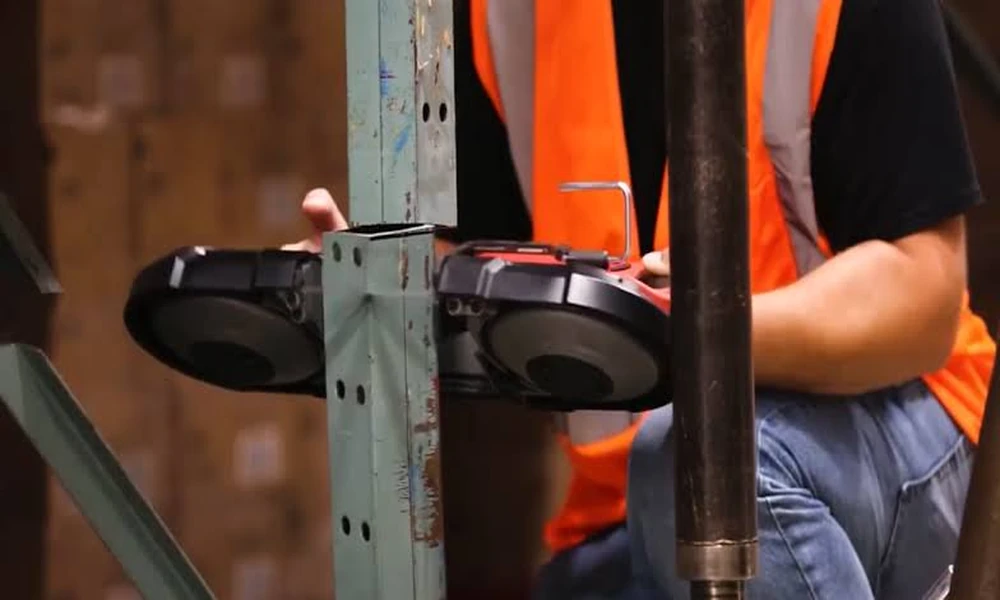
Using professional-grade tools and replacement parts is essential for repairs. Clients often notice better longevity with high-quality materials. In instances of significant damage, welding might be necessary. Experts caution, though, that this should be conducted by certified welders to meet industry standards. Also, all welding work should be inspected to verify integrity and tightness.
“Good materials make for great repairs. Never compromise on quality.”
Utilizing Quality Materials for Repairs
When considering materials, prioritizing quality for pallet rack repair is paramount. Opting for inferior replacements can hasten deterioration. Steel grades can vary widely in quality and strength. Materials should only be sourced from vendors that offer certification for handling industrial loads. Doing so promotes longevity and functional performance.
Offering warranties on parts can also be a game changer. Clients generally appreciate added guarantees regarding the materials they purchase. Partnering with reliable vendors who stand behind their products is crucial. Working with reputable suppliers ensures consistent, high-quality results.
- Pick certified materials for all repairs.
- Evaluate vendor warranties for additional security.
- Confirm the load capacity of every replacement part.
Expert Recommendations for Ongoing Safety Compliance
Establishing Regular Inspection Protocols
Creating a structured inspection protocol is indispensable to ensuring ongoing safety compliance. Frequency is an important factor. Experts recommend at least quarterly inspections, with adjustments based on warehouse activity. For high-volume operations, monthly examinations may be warranted. Documentation of inspections ensures transparency and fosters a safety culture-employees must feel empowered to report damages without fear of repercussions.
Standard inspections should verify load capacities, check for physical damage, and examine joint integrity. New safety regulations often emerge within the industry, and maintaining awareness will keep companies ahead of the curve. Many organizations use checklist systems for efficiency during inspections, while assigning designated Responsible Persons (RPs) ensures accountability and compliance.
- Conduct inspections a minimum of once every quarter.
- Train designated inspectors on what to examine closely.
- Implement a simple reporting system for damages found.
Best Practices for Employee Training in Safety
Effectively training employees plays a vital role in safety. Safety education should integrate seamlessly into warehouse culture. Starting with an onboarding process that encompasses safety protocols and training on proper handling techniques sets the stage. Real-world scenarios during training help staff connect with their responsibilities. Interactive workshops can significantly boost retention. Many clients find that hands-on skills training enhances safety awareness among personnel.
Revising training regularly to incorporate the latest safety updates is crucial. Conducting a review at least once a year is advisable. Encouraging employee feedback can help refine training content-workers have the most direct experience with safety risks, making their insights invaluable.
- Incorporate safety scenarios during training.
- Regularly revise training to reflect evolving safety goals.
- Gather feedback from employees for practical insights.
Pallet rack repair extends beyond merely addressing visible issues. This is an ongoing strategic approach that nurtures a safe working environment. Adhering to industry best practices can effectively prevent potential hazards. In the end, adopting this proactive approach cultivates safer warehouses, safeguarding both personnel and investments.
FAQ
What tools are recommended for pallet rack repairs?
Professionals typically advise using industrial-grade tools specifically tailored for the repairs needed. This usually includes steel-cutting saws, wrenches, and professional-grade welding equipment, ensuring results that stand the test of time.
How often should pallet racks be inspected?
Typically, quarterly inspections are advisable based on warehouse activity levels. However, for environments with high traffic, monthly inspections might enhance safety and mitigate associated risks.
What training should employees receive regarding pallet rack safety?
Employees must undergo training that encompasses proper handling techniques, load capacity awareness, and best practices for maintaining rack integrity. Incorporating real-world scenarios can significantly bolster understanding and retention.
Can regular inspections help reduce repair costs?
Absolutely. Regular inspections serve as a preventive measure, enabling businesses to identify and address issues early, thus steering clear of costly emergency repairs. This proactive approach ultimately saves time and money.
What are the consequences of ignoring minor pallet rack damage?
Disregarding minor damage can lead to serious safety risks and significant financial repercussions. What might start as a simple issue like a bent beam can escalate into catastrophic failure, halting operations and inflating repair costs.
How does employee feedback improve safety protocols?
Employees often hold the most insight when it comes to daily operations and potential hazards. Their perspectives can lead to more applied training programs and enforcing better safety measures, making the workplace safer overall.
What types of materials are best for pallet rack repairs?
High-quality, certified materials should be prioritized for repairs. Working with vendors who provide certified steel grades ensures that replacement parts meet the rigorous strength requirements for industrial applications.
What can be done to foster a culture of safety among employees?
Encouraging open dialogue on safety concerns and providing a straightforward reporting system can dramatically enhance the safety culture. Regular updates to training and involving employees in safety discussions also foster a positive impact.
Useful Resources
- Occupational Safety and Health Administration (OSHA)
- FM Global – Property and Risk Management
- National Safety Council (NSC)
- Institute of Industrial and Systems Engineers (IISE)
- National Institute for Occupational Safety and Health (NIOSH)
- Safety+Health Magazine
- Warehouse IQ – Industry Insights
- Material Handling 24/7 – News and Resources
- Rack Manufacturers Association (RMA)