

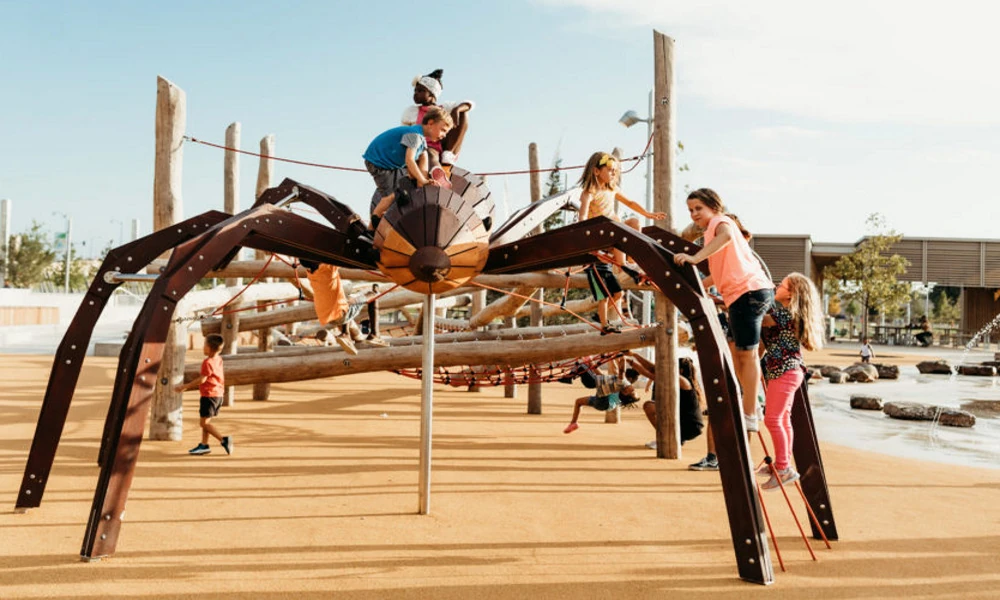
Children crave adventure, but today’s playgrounds can feel more like sanitized zones than wild spaces for exploration. This growing disconnect from nature has quietly reshaped how kids play, learn, and develop.
The Challenge of Modern Playgrounds: Disconnect from Nature
The Rise of Artificial Play Environments
Plastic slides, rubber mats, and metal climbing frames dominate municipal parks. While these materials offer durability and uniformity, they often create experiences detached from the richness of natural forms. This shift took off as safety standards and urbanization increased, leading to the rapid proliferation of standardized equipment.
Impact on Child Development and Wellbeing
Removing nature from playgrounds has real consequences. Studies show that children who lack exposure to organic textures and unpredictable landscapes may experience reduced creativity, limited risk assessment skills, and less engagement in physical activity. Even more concerning is the psychological toll, with links emerging between sterile play environments and increased anxiety or attention disorders.
Environmental and Accessibility Concerns
Today’s playgrounds frequently rely on plastics and synthetic surfacing, which contribute to environmental waste. However, there is also a need to make playgrounds accessible to all children, including those with disabilities. Balancing sustainability and inclusivity remains a central challenge for designers.
Embracing Natural Elements: A Shift in Playground Design
What Are Natural Elements in Playgrounds?
Natural-element playgrounds incorporate materials and features such as wood, stone, sand, water, and living plants. These elements can be standalone or blended with traditional equipment to create hybrid spaces that stimulate multiple senses and encourage open-ended play.
Benefits for Physical, Cognitive, and Social Growth
When children interact with uneven logs, winding pathways, or tactile stones, they activate more muscles and develop better coordination compared to playing on flat, uniform surfaces. Nature-based play also ignites imaginative scenarios, transforming a fallen tree into a spaceship or castle, and supports social interaction through collaborative exploration.
Aligning with Inclusivity and Accessibility Standards
Inclusive design does not mean sacrificing natural elements. Features such as gently sloped mounds, wide pathways, and sensory-rich planting can be made wheelchair-accessible without compromising on the benefits of nature. Modern standards, like Ontario’s AODA requirements, are increasingly pushing designers to offer both accessibility and a connection to the natural world.
Innovative Natural Materials and Structures in Use
Wood, Stone, and Plant-Based Components
Hardwoods such as cedar and robinia are prized for their durability and resistance to decay. Stone boulders serve both as climbing features and sculptural accents. Plantings can create living tunnels or secret dens, blurring the line between landscape and play.
Water Features and Sand Play Areas
Water pumps, streams, and sand pits invite children to dig, build, and experiment. These features encourage sensory discovery and collaborative problem-solving, making the playground a laboratory for creativity.
Integration of Natural Topography and Landscaping
Using the existing terrain, hills, slopes, and native vegetation, designers create playgrounds that feel like extensions of the landscape rather than imposed objects. This approach reduces site disturbance and fosters curiosity in young explorers.
Nature-Inspired Thematic Playgrounds: More Than Just Aesthetic
Encouraging Imaginative and Sensory Play
Nature-themed playgrounds go beyond mimicry. They celebrate the forms and materials of the natural world, often telling stories or encouraging role play. Textured surfaces, earthy colors, and organic shapes invite children into a multisensory adventure.
Examples of Successful Themed Natural Playgrounds
Across Canada and beyond, parks are experimenting with this approach. For example, Toronto’s Evergreen Brick Works features a climbing area made from reclaimed logs and boulders, seamlessly integrated into a restored parkland. Solutions from companies like Inspire Play children playground equipment illustrate how even commercial products can prioritize nature-inspired aesthetics and experiences.
Balancing Safety with Organic Designs
It is possible to meet rigorous safety standards while using natural materials. Rounded log edges, secure rock placements, and non-slippery surfaces ensure that adventure and safety coexist, allowing kids to take healthy risks within a secure environment.
Overcoming Barriers to Implementing Natural Play Elements
Cost and Maintenance Considerations
Natural materials can be more expensive upfront than plastic or metal, and they often require ongoing maintenance to address wear or weathering. However, many communities find that the benefits for child development and neighborhood appeal outweigh these costs over time.
Weather and Durability Challenges
Exposure to the elements is a real concern. Designers must select rot-resistant woods, properly treated surfaces, and weather-hardy plants to ensure longevity, especially in harsh climates.
Regulatory and Safety Compliance
Local and national regulations set strict guidelines for playground safety. Successful projects work closely with authorities to certify that equipment meets or exceeds these standards, sometimes requiring innovative engineering solutions.
Actionable Steps for Communities and Designers
– Assess Site Potential: Map out sun, shade, natural slopes, and existing vegetation.
– Select Appropriate Materials: Prioritize local, sustainable resources resistant to weather and vandalism.
– Engage Stakeholders: Involve children, parents, and experts early to identify preferences and address concerns.
– Plan for Maintenance: Establish routines for inspecting, cleaning, and repairing natural features to keep them safe and attractive.
Future Trends: The Evolution of Nature-Integrated Play Spaces
Technological Enhancements Supporting Natural Play
Emerging tech, such as interactive sound installations and augmented reality nature trails, can enrich the sensory landscape of playgrounds without detracting from their organic feel.
Policy Shifts and Funding Opportunities
Governments and nonprofits are increasingly recognizing the benefits of nature-based play, launching grants and policy initiatives to support these projects.
Envisioning Playgrounds as Community Ecosystems
The next generation of playgrounds will not just be spaces for play, but living, breathing ecosystems that foster community connection, environmental stewardship, and lifelong wonder in children. By reintegrating nature into play, we are building foundations for healthier, happier generations.